Archives
- 2026-04
- 2026-03
- 2026-02
- 2026-01
- 2025-12
- 2025-11
- 2025-10
- 2025-03
- 2025-02
- 2025-01
- 2024-12
- 2024-11
- 2024-10
- 2024-09
- 2024-08
- 2024-07
- 2024-06
- 2024-05
- 2024-04
- 2024-03
- 2024-02
- 2024-01
- 2023-12
- 2023-11
- 2023-10
- 2023-09
- 2023-08
- 2023-07
- 2023-06
- 2023-05
- 2023-04
- 2023-03
- 2023-02
- 2023-01
- 2022-12
- 2022-11
- 2022-10
- 2022-09
- 2022-08
- 2022-07
- 2022-06
- 2022-05
- 2022-04
- 2022-03
- 2022-02
- 2022-01
- 2021-12
- 2021-11
- 2021-10
- 2021-09
- 2021-08
- 2021-07
- 2021-06
- 2021-05
- 2021-04
- 2021-03
- 2021-02
- 2021-01
- 2020-12
- 2020-11
- 2020-10
- 2020-09
- 2020-08
- 2020-07
- 2020-06
- 2020-05
- 2020-04
- 2020-03
- 2020-02
- 2020-01
- 2019-12
- 2019-11
- 2019-10
- 2019-09
- 2019-08
- 2019-07
- 2019-06
- 2019-05
- 2019-04
- 2018-07
-
br Atypical collagen glycosylation The disaccharide Glc
2020-01-06
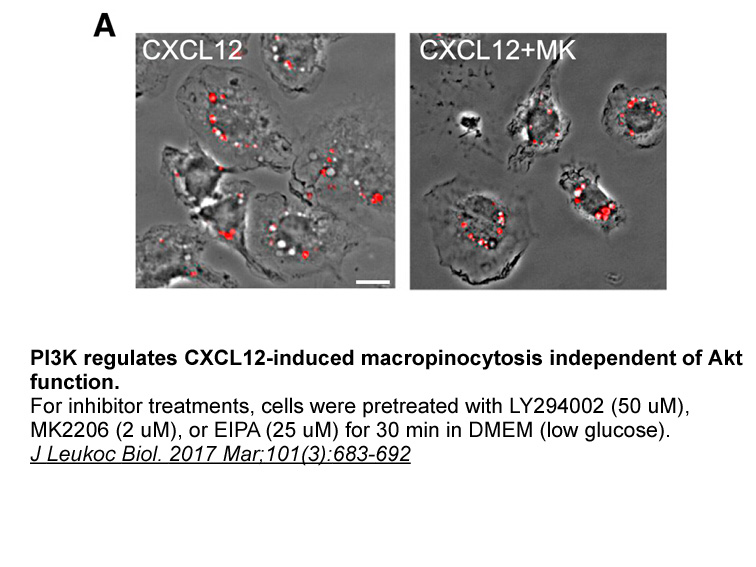
Atypical collagen glycosylation The disaccharide Glc(α1-2)Gal(β1-O) decorating collagens is strongly conserved across the animal kingdom, yet for every rule, nature provides exceptions. The deep-sea worm Riftia pachyptila of the phylum Annelida represents an intriguing exception. R. pachyptila is
-
d-amphetamine More recently it was discovered that BChE hydr
2020-01-06
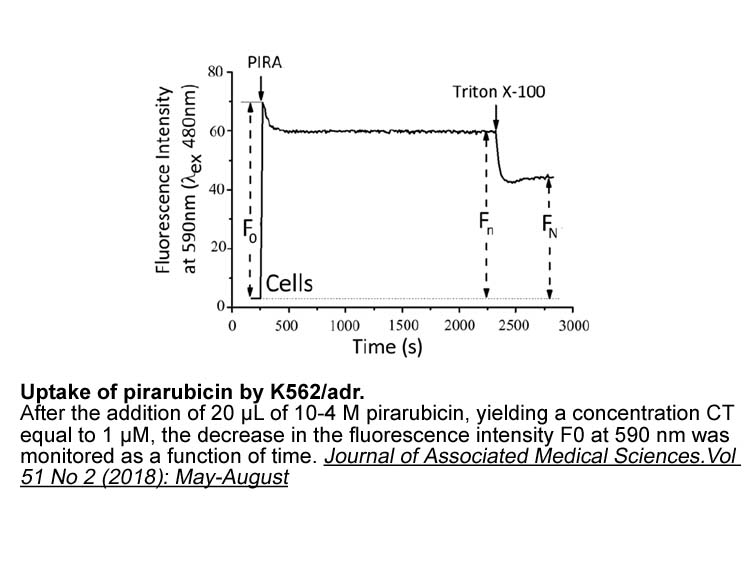
More recently, it was discovered that BChE hydrolyzes the neuropeptide gut hormone, ghrelin [25], [26], [27], [28]. Nonetheless, because the enzyme reaction is very slow, those who first reported this finding were initially reluctant to attribute a real physiological role for that phenomenon. Our ow
-
To our knowledge immunohistochemical analysis for proGRP was
2020-01-06
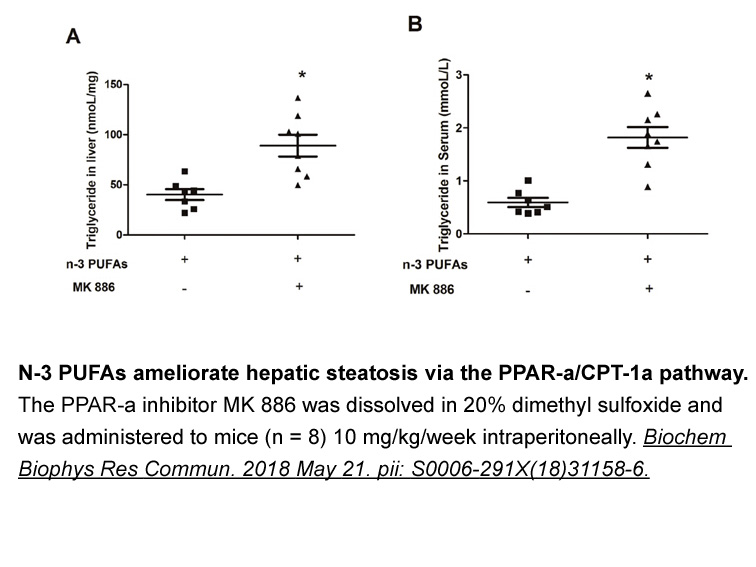
To our knowledge, immunohistochemical analysis for proGRP was done in 5 cases [9], [10], [17], [18]. Takagi-Takahashi et al. reported that the tumor Go 6983 were positive for proGRP in one case [9]. Yamaguchi et al. also showed that tumor cells in two patients of ES/PNET with elevated serum proGRP
-
Recent studies have shown that the extracellular regulated
2020-01-06
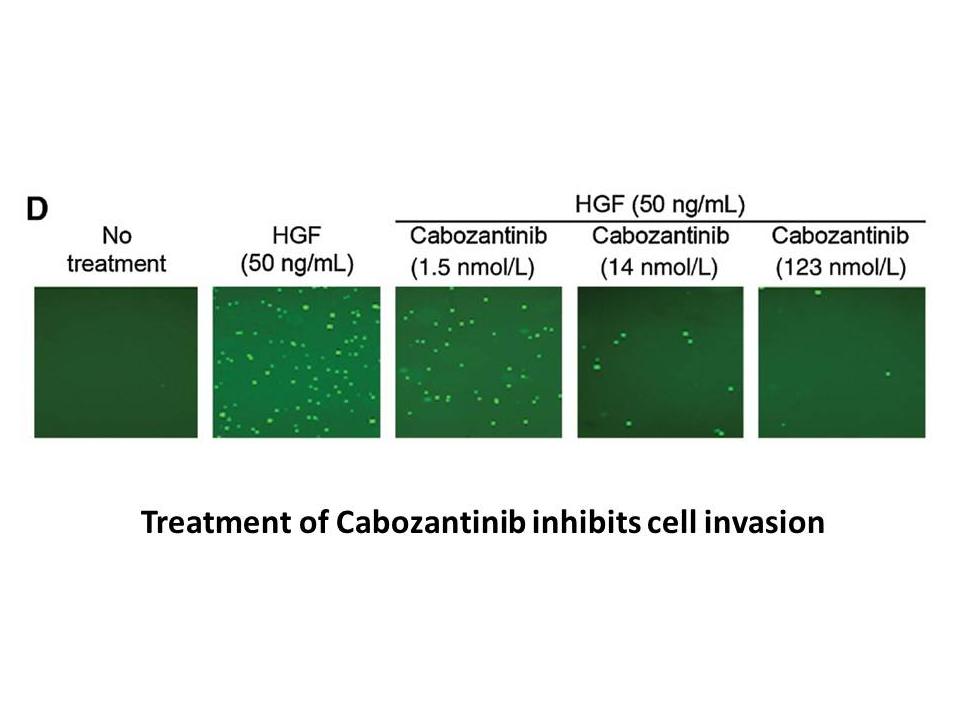
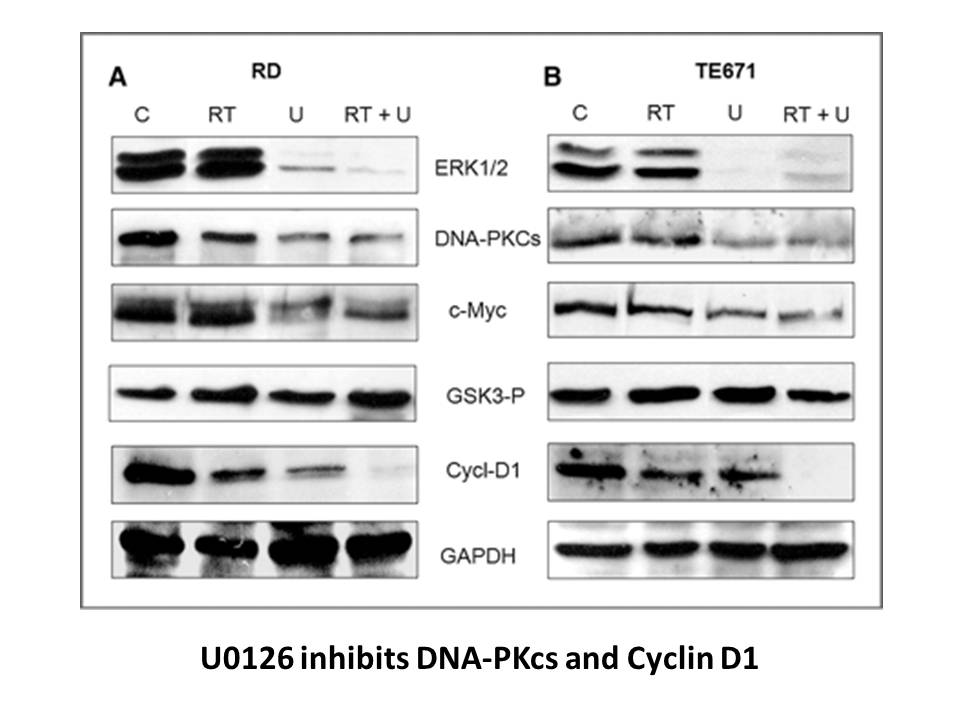
Recent studies have shown that the extracellular regulated protein kinase 1 and 2 (ERK1 and ERK2), commonly referred to collectively as ERK 1/2, are members of the mitogen-activated protein kinase (MAPK) family. This family of kinases transport signals from the surface of the cell to the nucleus, th
-
We next turned our attention to the position of the
2020-01-06
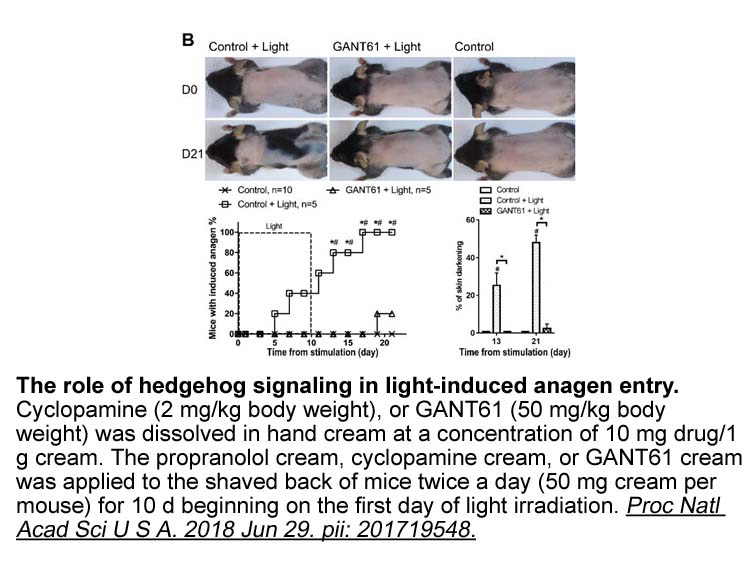
We next turned our attention to the 6-position of the indole (). It was found that the chlorine atom present in was extremely important. The des-chloro analogue showed nearly 30-fold less affinity for the EP receptor in the binding assay and was nearly 30-fold lower in activity in the functional a
-
For this reason downstream components of the inflammatory pa
2020-01-06
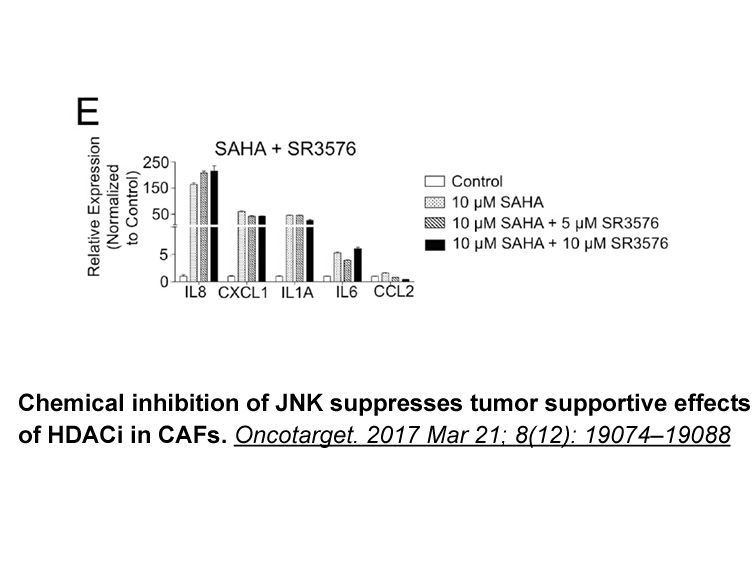
For this reason, downstream components of the inflammatory pathway have been investigated in the search for alternative targets. Targeting such downstream elements might result in safer and more tolerable analgesics. PGE mediates its effects through binding to four G-protein-coupled receptors (EP1-4
-
The MOF system described by
2020-01-06
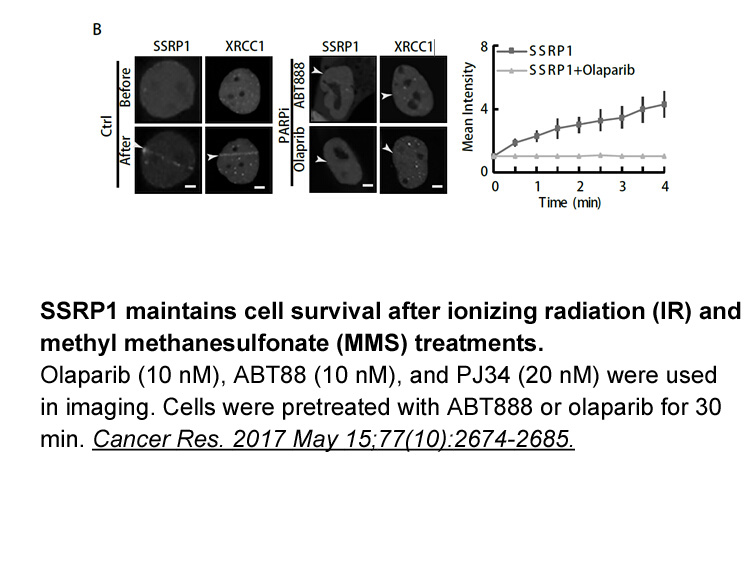
The MOF system described by Farha and coworkers combines rational design of the support and good experimental results regarding activity and stability. However, a further increase in the speed of enzyme loading into the MOF and a decrease in leaching are still required. How can the design rules prop
-
Omar Farha and coworkers have recently successfully
2020-01-06
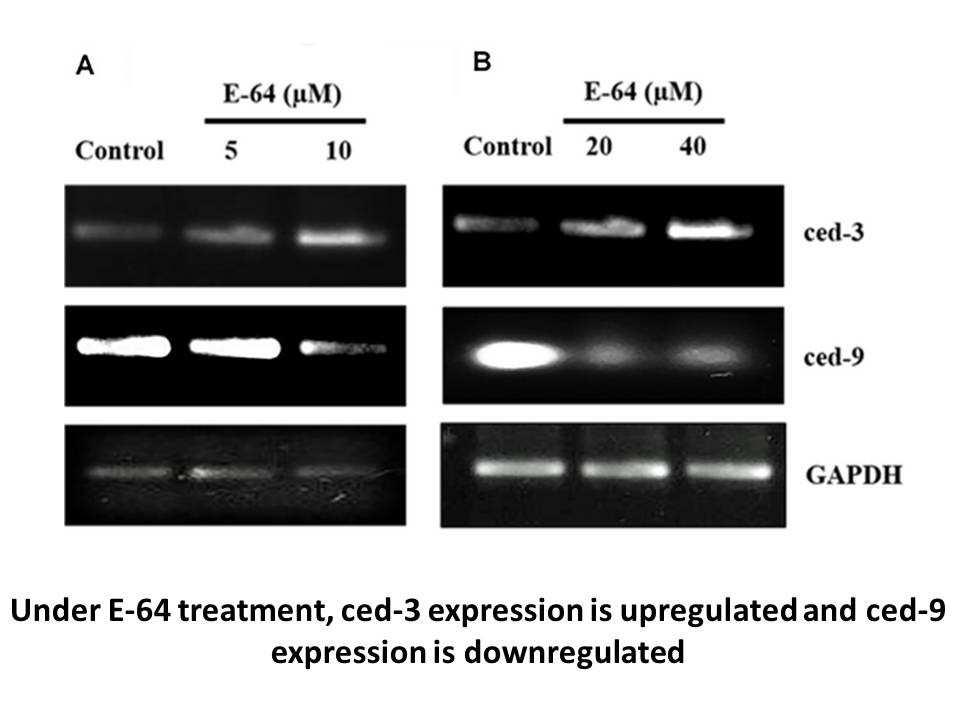
Omar Farha and coworkers have recently successfully employed metal-organic frameworks (MOFs) to tackle these limitations while retaining the essential characteristics of an immobilization material. MOFs consist of metal ions, or small clusters thereof, coordinated with organic ligands. MOFs are high
-
Both receptors belong to the large family of G
2020-01-06

Both receptors belong to the large family of G protein-coupled receptors (GPCRs) [4,5], which often appeared as monomers, dimers and higher order aggregates [6,7]. There is evidence that these receptor-complexes can modulate the functionality and the pharmacology of the receptors [8,9] by sequester
-
br EBV Infection Epstein Barr virus EBV human
2020-01-06
EBV Infection Epstein–Barr virus (EBV, human herpesvirus 4) was discovered 50 years ago, when Epstein, Achong, and Barr used electron microscopy to identify viral particles in Burkitt\'s lymphoma cells. It belongs to the lymphocryptovirus (LCV) genus of the gammaherpesvirus subfamily (Fig. 1A). T
-
Preclinical and clinical research indicates that inflammatio
2020-01-03
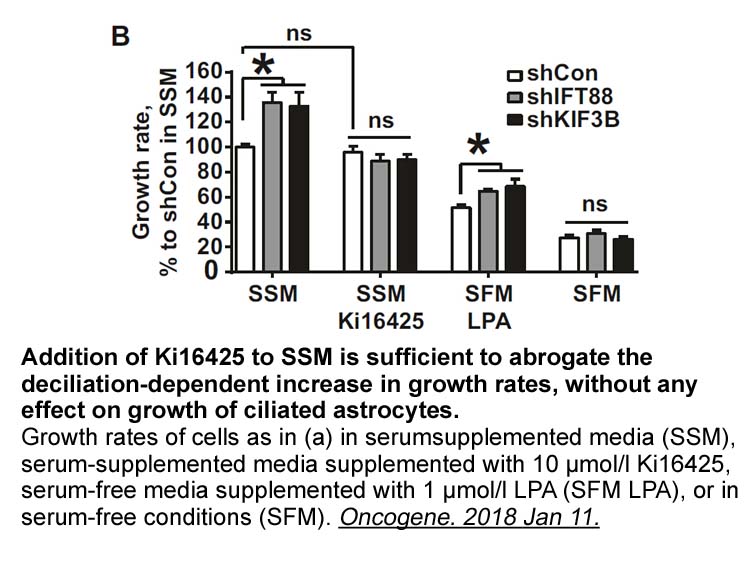
Preclinical and clinical research indicates that inflammation contributes to the progression of ICH injury. Therefore, there is a pressing need to develop interventions that can limit neuroinflammation and its detrimental effects on BCATc Inhibitor 2 function. Inflammatory cytokines are secreted in
-
To provide a brief critical
2020-01-03
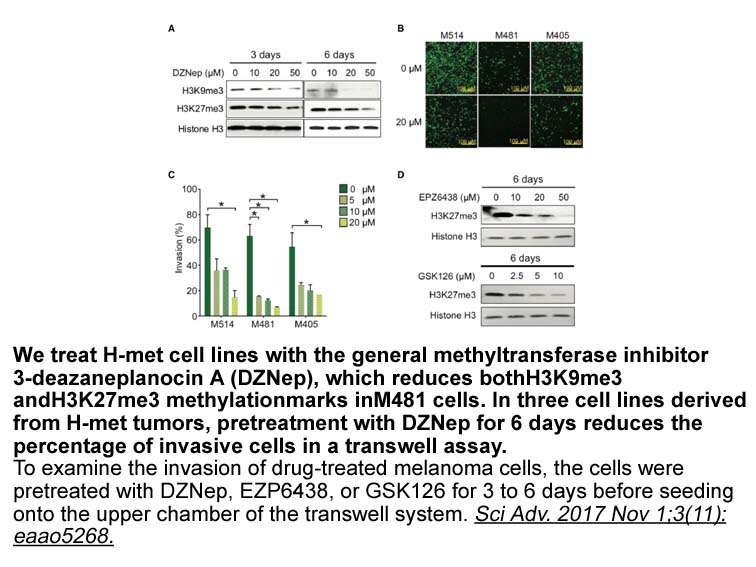
To provide a brief critical evaluation of this technology and an outlook, we note that performance of SMEPT is critically dependent on each of the components making up this platform, namely the substrate, the enzyme, and the prodrug. With regards to the latter, SMEPT is built on the experience and s
-
It is well known that CysLTs
2020-01-03
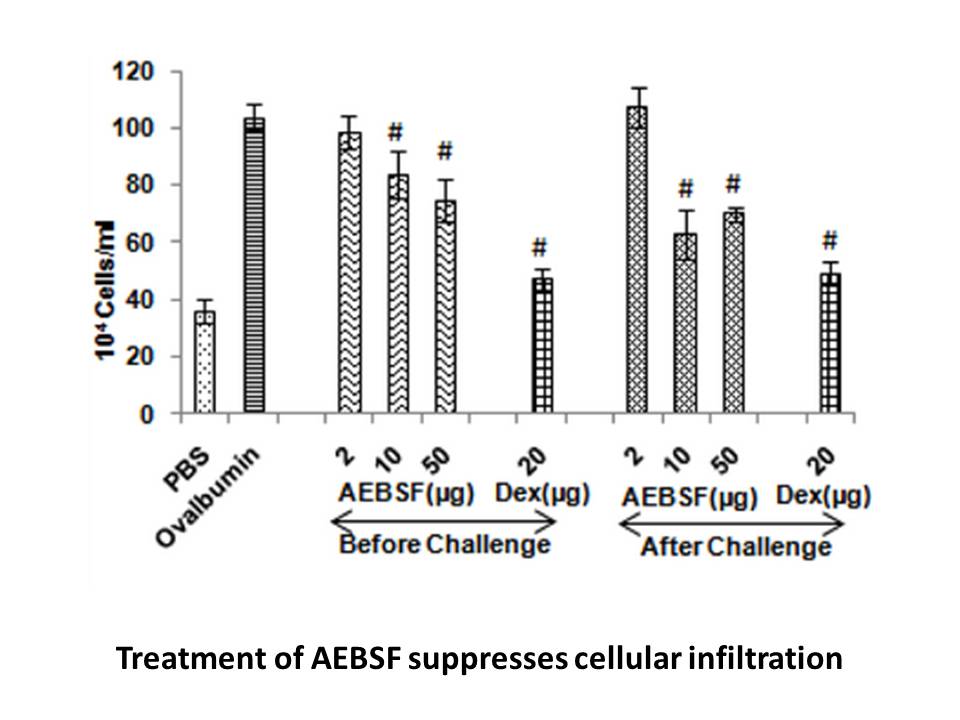
It is well known that CysLTs exert potent contractile action on human bronchial smooth muscles through activation of CysLT1 receptors. Indeed, in vitro antigen-induced contraction of passively sensitized human bronchial tissue is markedly suppressed by a pre-treatment with CysLT1 receptor antagonist
-
H http www apexbt com media diy images wb B
2020-01-03
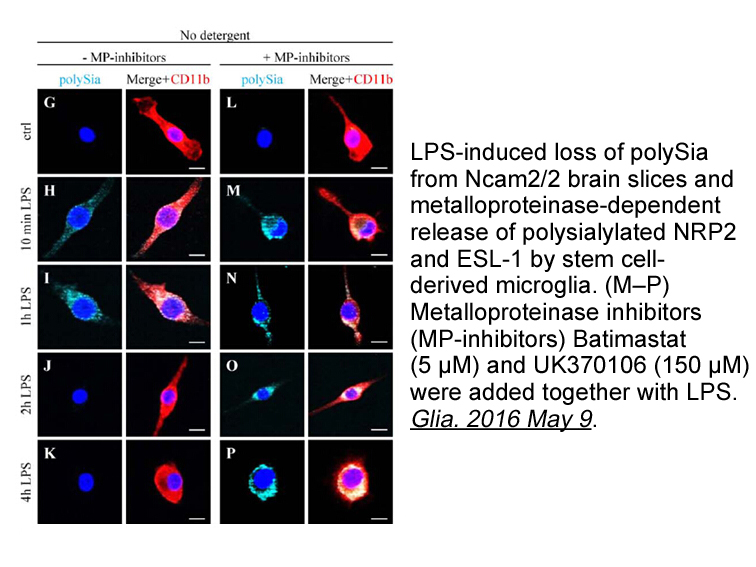
Heterozygous SERT knockout showed an intermediate level of FPS in Experiment 1, but normal FPS in Experiment 4, Experiment 5. Apparently, high redundancy exists in the involvement of SERT in normal fear acquisition, as availability of only 60% of normal SERT levels (Homberg et al., 2007a) is still s
-
A comparison between tinnitus and controls
2020-01-03
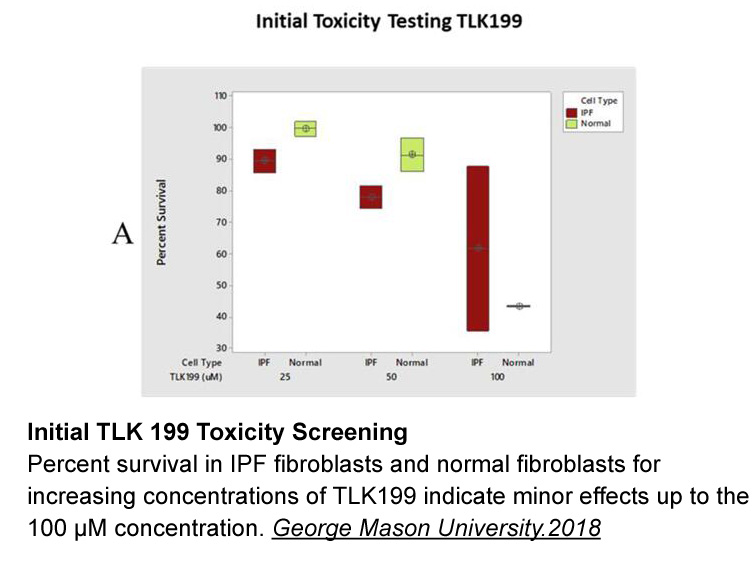
A comparison between tinnitus and controls subjects showed increased activity in the left AUD and PHC for the gamma frequency band. The link between gamma band activity in the AUD and tinnitus has been identified using both EEG (van der Loo et al., 2009) and MEG (Weisz et al., 2005, 2007). This is s
16281 records 945/1086 page Previous Next First page 上5页 941942943944945 下5页 Last page