Archives
- 2026-10
- 2026-09
- 2026-08
- 2026-07
- 2026-06
- 2026-05
- 2026-04
- 2026-03
- 2026-02
- 2026-01
- 2025-12
- 2025-11
- 2025-10
- 2025-03
- 2025-02
- 2025-01
- 2024-12
- 2024-11
- 2024-10
- 2024-09
- 2024-08
- 2024-07
- 2024-06
- 2024-05
- 2024-04
- 2024-03
- 2024-02
- 2024-01
- 2023-12
- 2023-11
- 2023-10
- 2023-09
- 2023-08
- 2023-07
- 2023-06
- 2023-05
- 2023-04
- 2023-03
- 2023-02
- 2023-01
- 2022-12
- 2022-11
- 2022-10
- 2022-09
- 2022-08
- 2022-07
- 2022-06
- 2022-05
- 2022-04
- 2022-03
- 2022-02
- 2022-01
-
In model plant Arabidopsis there are myosin XI isoforms
2024-11-27
In model plant Arabidopsis, there are 13 myosin XI isoforms (XI-1, XI-2, XI-A, XI-B, XI-C, XI-D, XI-E, XI-F, XI-G, XI-H, XI-I, XI-J, and XI-K) and 4 myosin VIII isoforms (ATM1, ATM2, VIII-A, VIII-B) [9,13]. Arabidopsis myosin XIs have the common domain composition: a motor domain that interacts with
-
In terms of the ring
2024-11-27
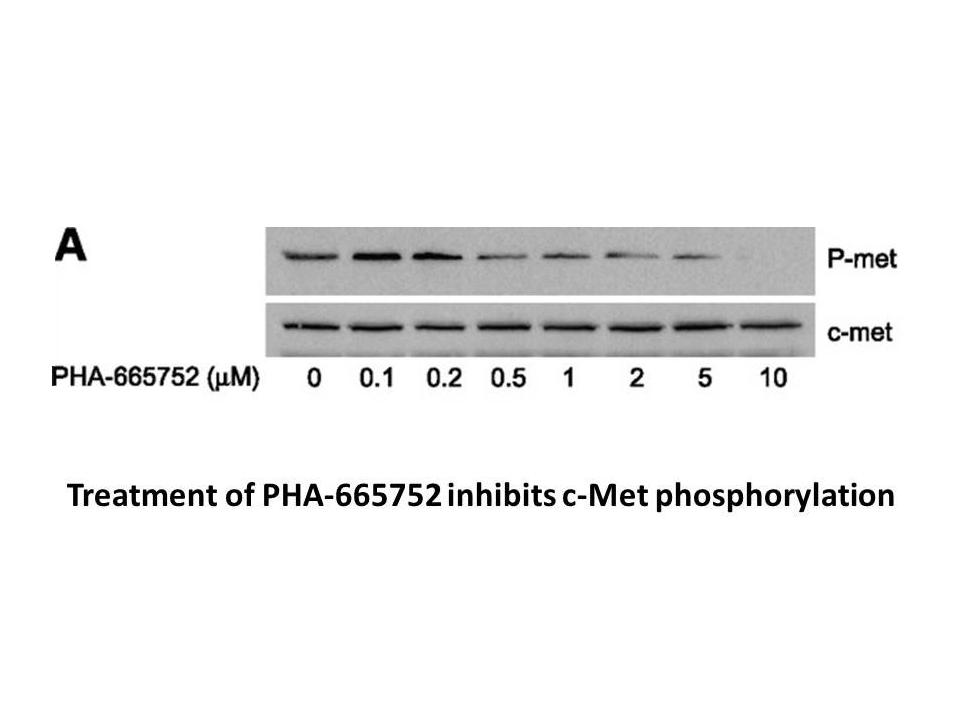
In terms of the ring B C5′ position, while C5′-F (compound ) was tolerated, C5′-Me (compound ) and C5′-Cl (compound ) substitutions resulted in a loss in potency. However, the C5′-OMe substitution (compound ) resulted in a ∼3-fold increase in potency compared to . Modeling suggested a pseudo hydroge
-
Introduction Mammalian cells express the
2024-11-27
Introduction Mammalian muscarinic receptors express the seven STAT family members STAT1, −2, −3, −4, −5A, −5B, and −6 [1], [2]. All STATs exert physiologically important roles as homo- and heterodimers [2], [3], [4]. Cytokines and growth factors activate STATs through the activation of kinases tha
-
As a continuation of our
2024-11-27
As a continuation of our search for a selective AChE radioligand bearing a meta-F substituted N-benzyl moiety, we designed and synthesized a novel meta-F-CP-118,954 analog along with a meta-18F-labeled form via diaryliodonium salt-based precursor (Fig. 1). For comparative purposes, we incorporate th
-
Language emerged among the Ach through the influence of
2024-11-27
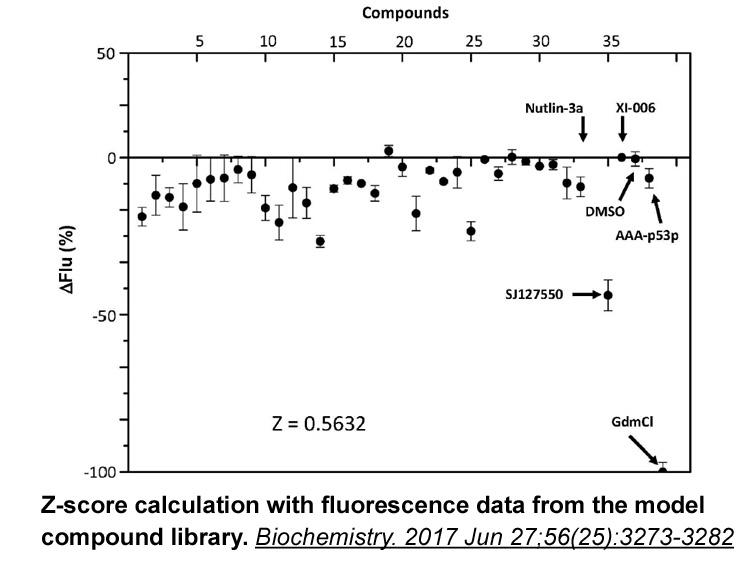
“Language” emerged among the Aché through the influence of colonizers, missionaries, Bible translators, activists, anthropologists, the media, and the State. As an object, it now circulates in books, cellphones, political debates, at cultural events, on the radio, and even the Internet. It emerged a
-
Tirapazamine Casein accounts for of the total
2024-11-27
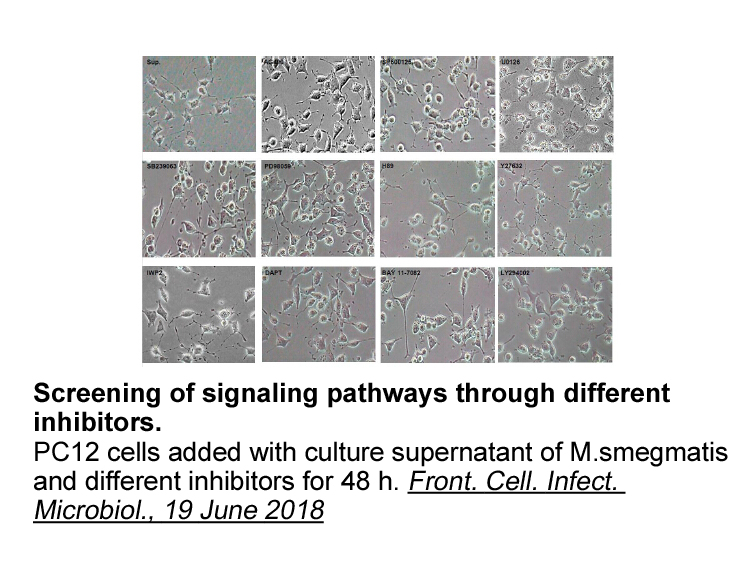
Casein accounts for 80% of the total protein in bovine milk (Capriotti, Cavaliere, Piovesana, Samperi, & Laganà, 2016); hydrolysates or bioactive peptides derived from casein have been employed widely in food as a functional ingredient (Capriotti et al., 2016, Field et al., 2008). Many studies have
-
Given these findings above we hypothesized that hypernocicep
2024-11-27
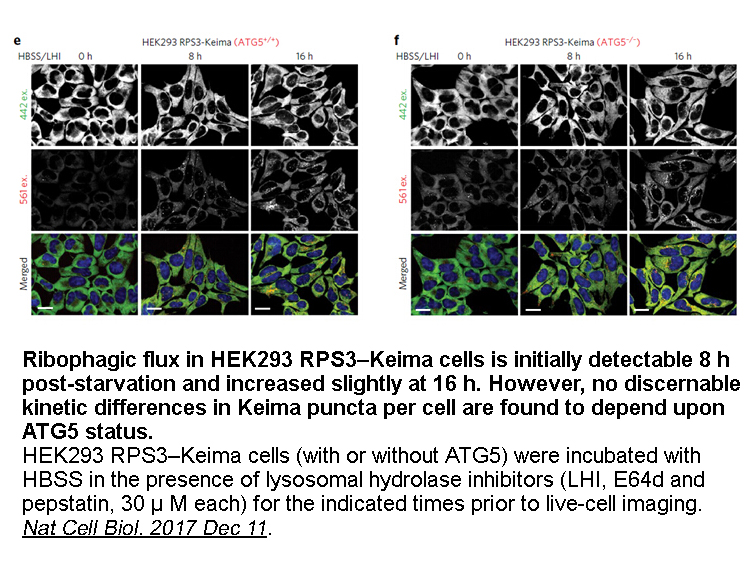
Given these findings above, we hypothesized that hypernociception produced by intra-amygdala 8-OH-DPAT is result of hyperpolarization in this area. This neuronal inhibition of the amygdaloid complex might result in an inactivation of crucial neurotransmitter systems of the descending inhibitory pain
-
MafB a member of the Maf protein
2024-11-27
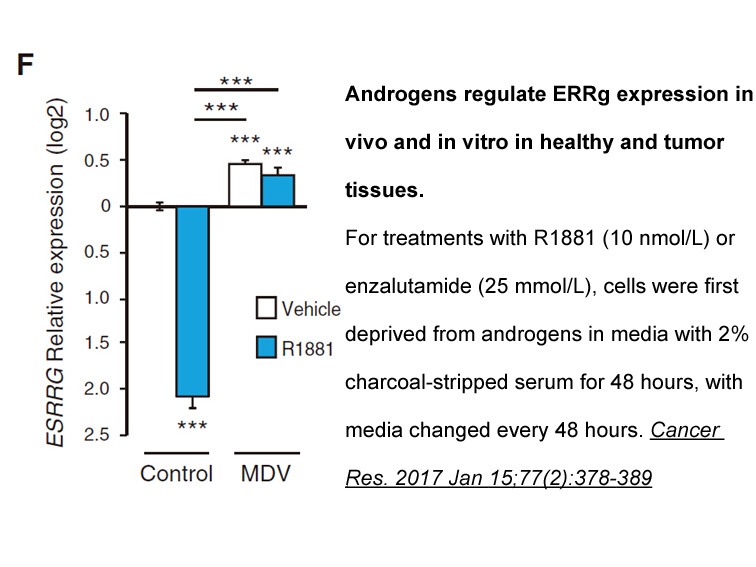
MafB, a member of the Maf protein family, is essential for terminal differentiation of macrophages (Kelly et al., 2000). The phagocytic activity of polystyrene beads was found to be enhanced in Physostigmine hemisulfate with exogenous expression of MafB (Tillmanns et al., 2007). However, in alveola
-
Polyphenols like flavonoids have the potential to
2024-11-27
Polyphenols like flavonoids have the potential to penetrate into lipid bilayers which is vital for enabling protection against oxidation. Rosmarinic hiv protease inhibitors is a natural polyphenol antioxidant isolated from Sphaeranthus amaranthoides. Polyphenols can inhibit the propagation of lipid
-
We used the lead compound C to demonstrate that small
2024-11-27
We used the lead compound C4 to demonstrate that small molecule ACL inhibitors can recapitulate ACL knockdown (KD) in modulation of cancer stemness. We have shown previously that ACL KD reduced the CSC population in multiple cancer cell lines. The E-snail cells are an established CSC model system.
-
antibiotics Herbal medicines have been used
2024-11-27

Herbal medicines have been used to treat various types of diseases and disorders for thousands of years worldwide (Li and Brown, 2009). Natural products have been the remedy of cancer chemotherapy for the past several decades. Anisomeles indica (L.) Kuntze. (Labiatae), commonly known as 'yu-chen-tsa
-
The following are the supplementary
2024-11-27
The following are the supplementary data related to this article. Competing interest Ethics approval and consent to participate Authors' contributions Acknowledgements The authors thank Dr. D. R. Kaplan for kind advice and materials derived from NB primary cell lines, Dr. F. D. Miller f
-
Furthermore a recently published network meta analysis inclu
2024-11-27
Furthermore, a recently published network meta-analysis including 30 trials in patients with hypertension and diabetes demonstrated that ARBs have efficacy similar to that of ACEIs for all-cause and cardiovascular mortality (HR 0.95, 95% CI 0.73 to 1.30 and HR 1.23, 95% CI 0.64 to 2.78, respectively
-
The specific mechanisms underlying glutamine dependency are
2024-11-26
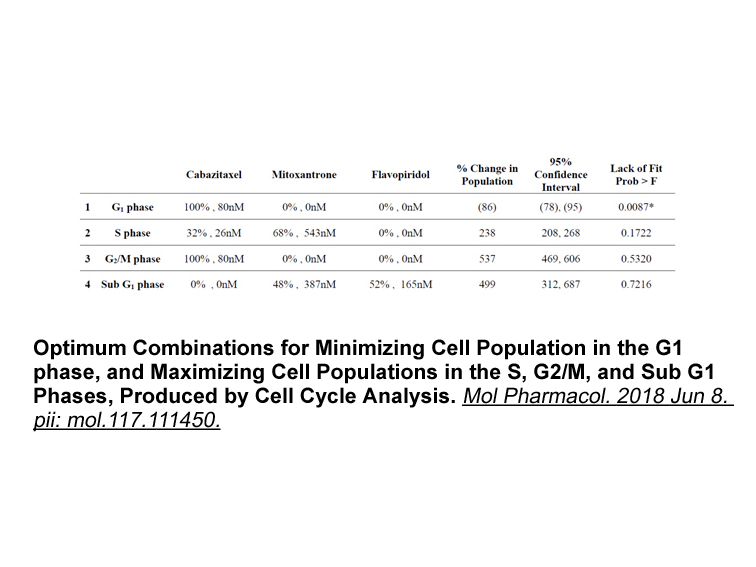
The specific mechanisms underlying glutamine dependency are still being explored, and current research indicates that the mechanisms likely vary between breast cancer subtypes. In HER2-positive breast cancer, increased levels of the transcriptional activator PGC-1α lead to expression of genes that m
-
Most of the identified aldose
2024-11-26
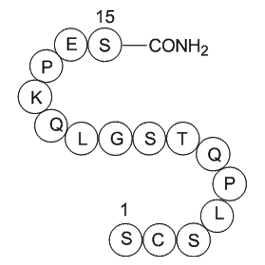
Most of the identified aldose reductase inhibitors possess undesirable effects like poor pharmacokinetic properties, hypersensitivity and Steven-Johnson Syndrome [1]. However, the main side effect is the lack of selectivity relative to aldehyde reductase (ALR1, EC 1.1.1.2). ALR1 plays the important
8556 records 81/571 page Previous Next First page 上5页 8182838485 下5页 Last page