Archives
- 2026-10
- 2026-09
- 2026-08
- 2026-07
- 2026-06
- 2026-05
- 2026-04
- 2026-03
- 2026-02
- 2026-01
- 2025-12
- 2025-11
- 2025-10
- 2025-03
- 2025-02
- 2025-01
- 2024-12
- 2024-11
- 2024-10
- 2024-09
- 2024-08
- 2024-07
- 2024-06
- 2024-05
- 2024-04
- 2024-03
- 2024-02
- 2024-01
- 2023-12
- 2023-11
- 2023-10
- 2023-09
- 2023-08
- 2023-07
- 2023-06
- 2023-05
- 2023-04
- 2023-03
- 2023-02
- 2023-01
- 2022-12
- 2022-11
- 2022-10
- 2022-09
- 2022-08
- 2022-07
- 2022-06
- 2022-05
- 2022-04
- 2022-03
- 2022-02
- 2022-01
-
br Conflicts of interest br
2022-01-28

Conflicts of interest Introduction Antiretroviral therapy (ART) is effective in reducing mortality (Detels et al., 1998), and preventing mother-to-child transmission (MTCT) (CDC, 1994, Connor et al., 1994) and sexual transmission of HIV (Cohen et al., 2011). However, the optimal time to start
-
The activation of the ERK pathway may participate
2022-01-28
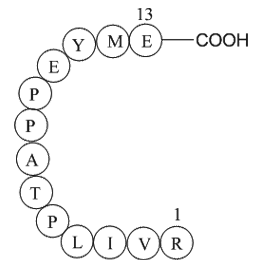
The activation of the ERK pathway may participate in the sensitization of primary afferents in pain transmission (Ji et al., 2009, Lai et al., 2011); the blockade of ERK activation in the DRG can decrease mechanical and heat hypersensitivity in inflammatory pain. IL-10 can inhibit phosphorylation of
-
br Materials and methods br Results br Discussion DNA
2022-01-28

Materials and methods Results Discussion DNA repair pathways have evolved for a long time to act independently of one another. However, over the past decade several overlaps and crosstalks between these pathways were identified, showing that the DNA repair system is more complex than previo
-
Introduction Histamine was generally accepted as a neurotran
2022-01-28
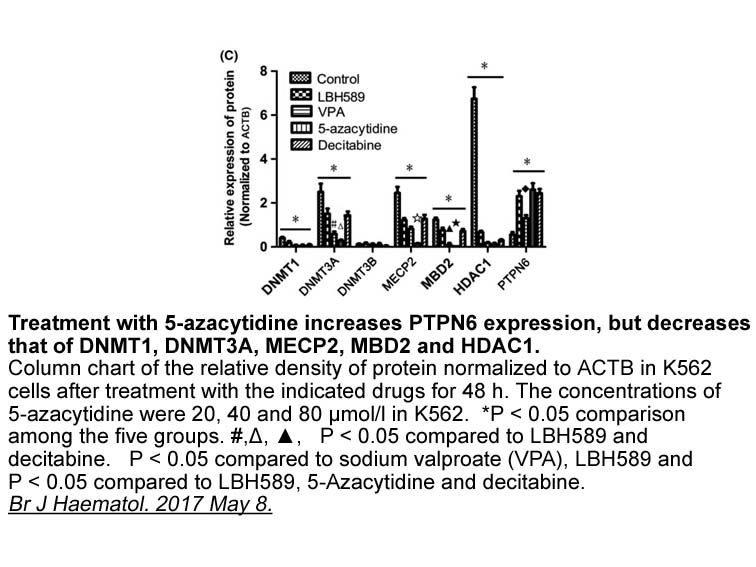
Introduction Histamine was generally accepted as a neurotransmitter in 1984, when histamine was first identified to be located in tuberomamillary nucleus (TM) of the brain (Watanabe et al., 1984). In mammals, histaminergic neurons play an important role in regulating multiple physiological activiti
-
In conclusion we have designed and characterized a novel
2022-01-28
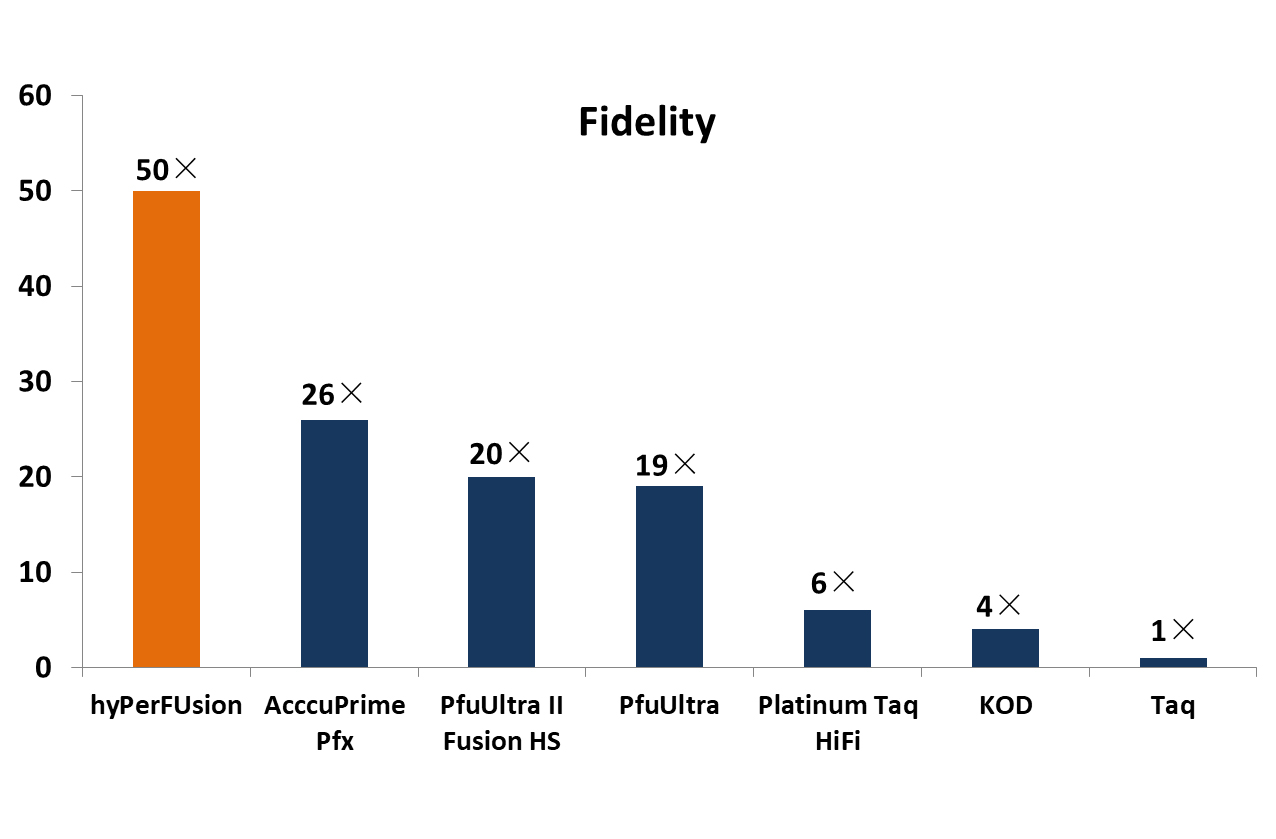
In conclusion, we have designed and characterized a novel series of EAAT-blockers, exemplified by (-[4-(2-bromo-4,5-difluorophenoxy)phenyl]--asparagine)—a potent, selective, competitive non-substrate inhibitor of EAAT-2. As one of the most potent and selective EAAT-2 inhibitors identified to date,
-
The discovery that GLUT in the microvasculature represents a
2022-01-28
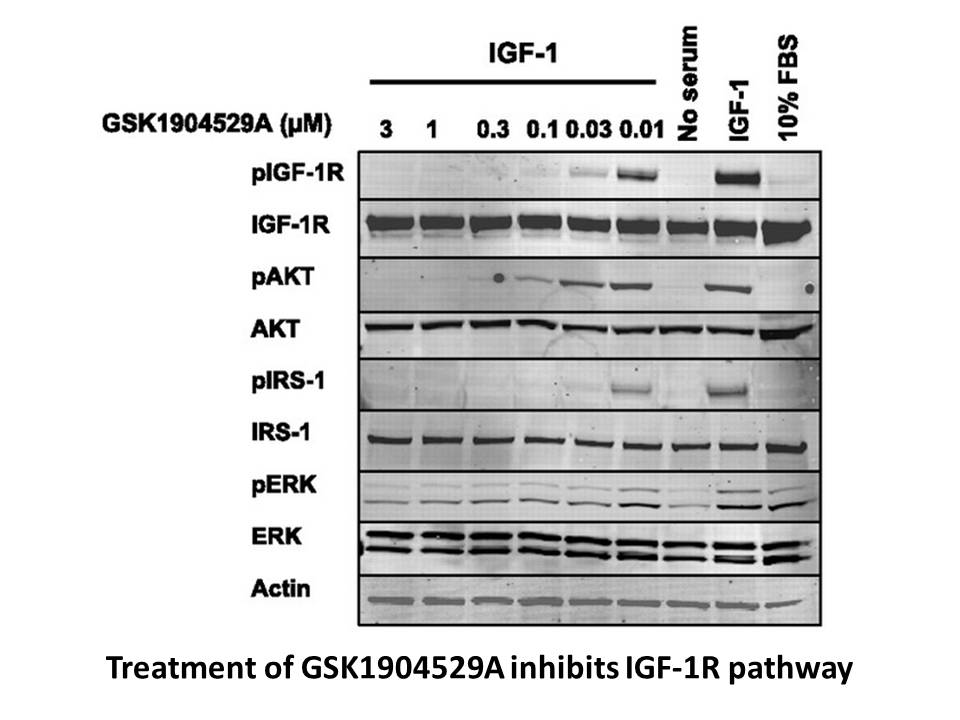
The discovery that GLUT1 in the microvasculature represents an important target of VEGF thereby affecting Deferasirox function is highly relevant. The work of Jais et al. identified VEGF as a determining player in the regulation of cognitive performance and provides an important link to the unfavora
-
Fidaxomicin mg Until now various reports have
2022-01-27
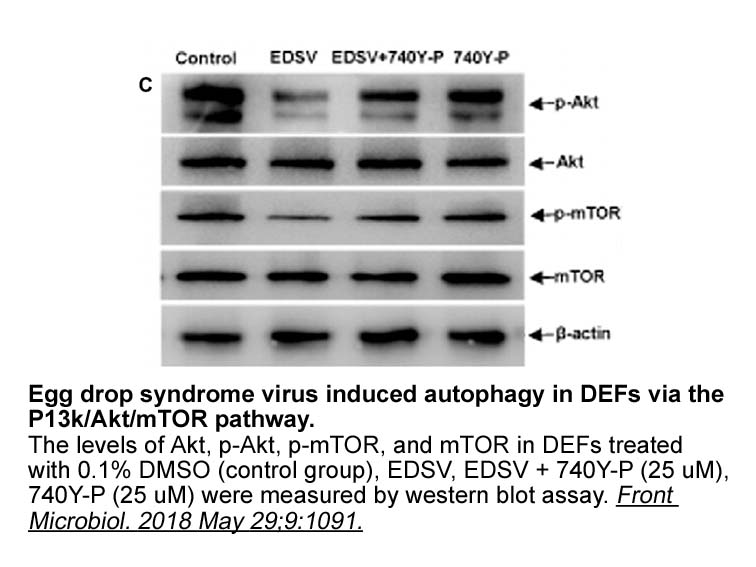
Until now, various reports have demonstrated the therapeutic potential of enzyme-resistant forms of GIP in experimental diabetic animal models , , . In essence, structural modifications performed at the Tyr residue in GIP generate analogues that are completely resistant to the actions of DPP-IV and
-
Next we studied the effects
2022-01-27
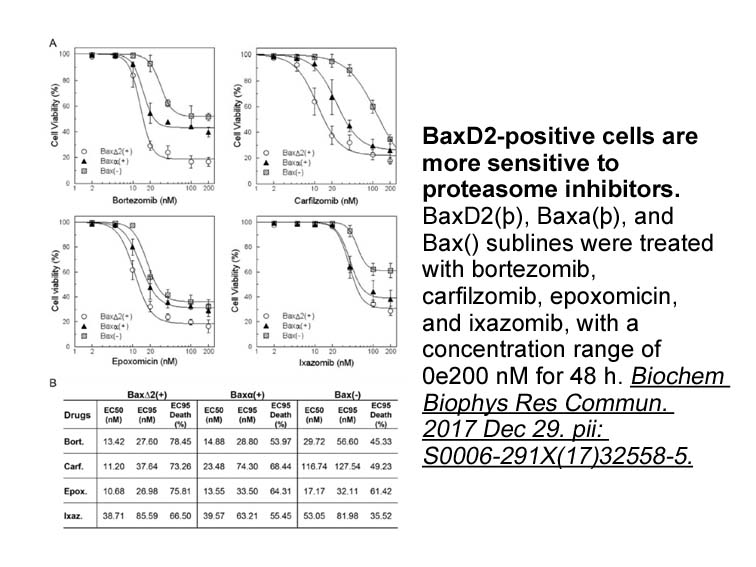
Next, we studied the effects of the compounds PA-Glu, PA-hSuc, and PA-hPim on the IGly of rat hippocampal neurons. As in the experiments with IGABA, IGly was affected by steroids with a pregnane skeleton, but not those with an androstane skeleton. At the same time, androstane steroids were shown to
-
A large body of evidence supports
2022-01-27

A large body of evidence supports a contribution of the endocannabinoid (eCB) system in the regulation of stress and emotional behavior (Gorzalka and Hill, 2011, Hill and Patel, 2013, Morena et al., 2016). General findings from this work indicate that eCB anandamide signaling is critical for bufferi
-
There are limited studies on antibody responses against HIV
2022-01-27
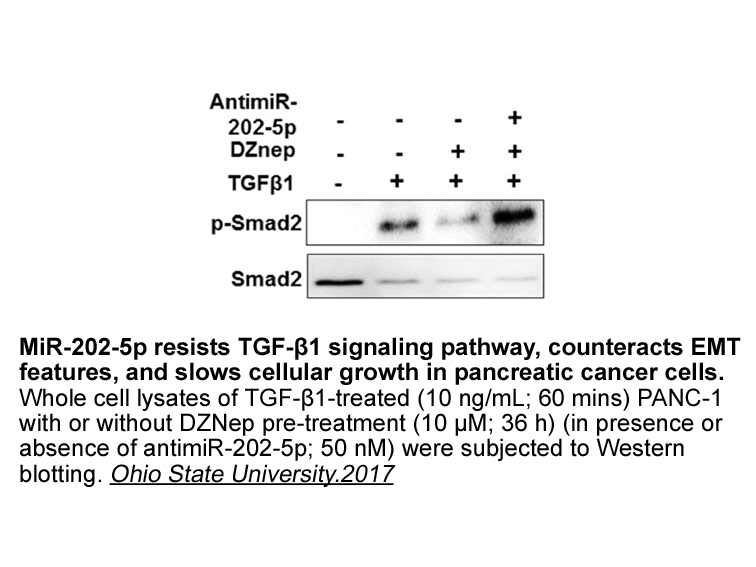
There are limited studies on antibody responses against HIV-1 integrase antigen. According to previous studies, almost 5 percent of individuals infected with HIV never raise anti-integrase IBA receptor (Rikhtegaran Tehrani et al., 2015; Chang et al., 1985). If this rate is identical in individuals
-
Certainly the immune relevance of Hippo
2022-01-27
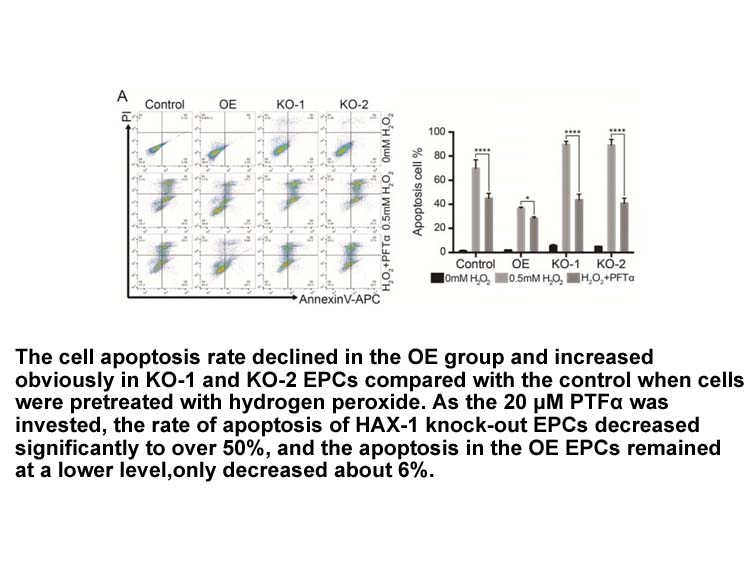
Certainly, the immune relevance of Hippo becomes more complicated and divergent in the vertebrates than in Drosophila. In terms of inflammation of mammalians, the stories are diversified (Fig. 2). Previously, MST1/2 has been well characterized not only as a controller of lymphocytes adhesion and mi
-
br Methods br Results br Discussion Exercise results in
2022-01-27
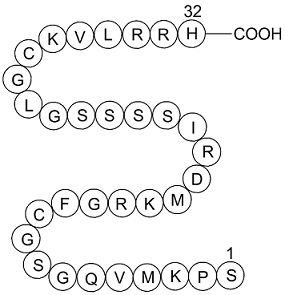
Methods Results Discussion Exercise results in a remarkable redistribution of blood flow, which increases in active skeletal muscles but decreases in the splanchnic circulation. The regional blood flow in the kidney, spleen, stomach and intestine was measured by using the microsphere techni
-
br Conclusion The mitochondrial and glycolytic energy metabo
2022-01-27
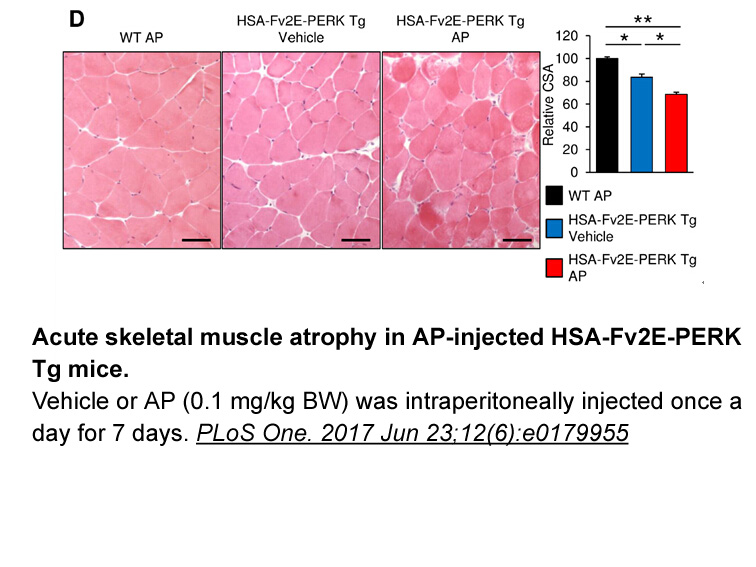
Conclusion The mitochondrial and glycolytic energy metabolism of the brain is coordinated by HKI binding to MOM, although the molecular mechanism of such a regulation is not yet clear. The Neuregulin/Heregulin-1β (NRG-1β/HRG-1β), human recombinant protein for HKI in MOM are VDACs [[5], [6], [7]]
-
In conclusion our results show that P C
2022-01-27
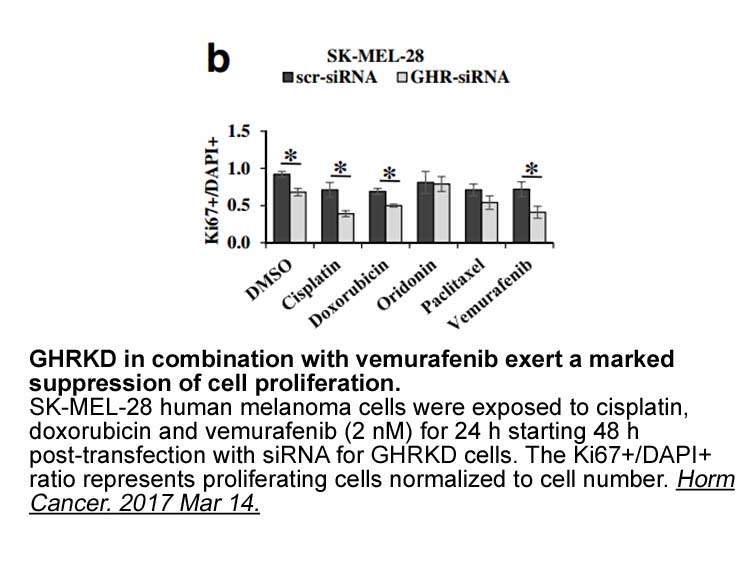
In conclusion, our results show that P7C3 enhances endogenous neurogenesis by upregulating the generation of endogenous neuroblasts and neural stem/progenitor cells by increasing the expression of neuroprotective proteins (Bcl-2, ki67, DCX, adam11, adamts20, and β-tub3) by activation of the cAMP/PKA
-
nor-NOHA acetate The manuscript provides mechanistic insight
2022-01-27
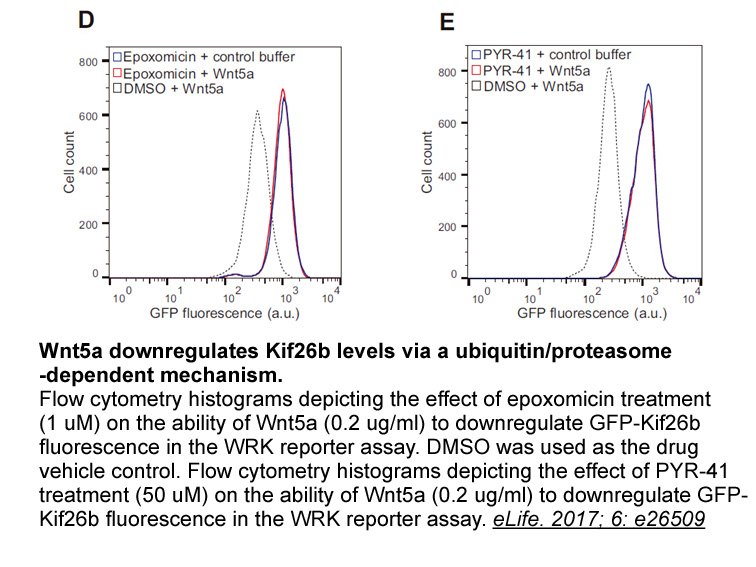
The manuscript provides mechanistic insights into the suppression of EGFR, BCRP, PKM2, and other cancer biomarkers in response to pharmacological inhibition of GPR55 with MNF and CID (Fig. 7). Firstly, inactivation of ERK has been previously demonstrated following treatment of PANC-1 nor-NOHA acetat
8557 records 554/571 page Previous Next First page 上5页 551552553554555 下5页 Last page