Archives
- 2026-10
- 2026-09
- 2026-08
- 2026-07
- 2026-06
- 2026-05
- 2026-04
- 2026-03
- 2026-02
- 2026-01
- 2025-12
- 2025-11
- 2025-10
- 2025-03
- 2025-02
- 2025-01
- 2024-12
- 2024-11
- 2024-10
- 2024-09
- 2024-08
- 2024-07
- 2024-06
- 2024-05
- 2024-04
- 2024-03
- 2024-02
- 2024-01
- 2023-12
- 2023-11
- 2023-10
- 2023-09
- 2023-08
- 2023-07
- 2023-06
- 2023-05
- 2023-04
- 2023-03
- 2023-02
- 2023-01
- 2022-12
- 2022-11
- 2022-10
- 2022-09
- 2022-08
- 2022-07
- 2022-06
- 2022-05
- 2022-04
- 2022-03
- 2022-02
- 2022-01
-
br Regulation of V ATPase assembly in
2023-01-10
Regulation of V-ATPase assembly in response to changes in amino Dynorphin A synthesis levels A central regulator of cell growth and metabolism is mTORC1 [38]. mTORC1 integrates signals from nutrient availability and growth factor receptors to control such processes as protein and lipid synthesis
-
As shown in B the recombinant
2023-01-10
As shown in B, the recombinant human 15-LOX-1 (30nM) showed a time-dependent increase in fluorescent signal, and signal development was almost completed within 20min in the presence of 50μM arachidonic recombinant insulin and 5μM DHR. For both purified enzyme and cell lysates, the enzyme activities
-
Recruitment of the Rad BP mediator to chromatin involves
2023-01-10
Recruitment of the Rad9/53BP1 mediator to cox pathway involves multiple pathways (Fig. 2). In unperturbed conditions, Rad9 is already bound to chromatin via interaction between its Tudor domain and methylated histone H3 at lysine 79 [82], [83], [84], [85]. This constitutive Rad9 recruitment to chro
-
In this study we showed that TRIM promotes ASK
2023-01-10
In this study, we showed that TRIM48 promotes ASK1 activation through ubiquitination-dependent degradation of a negative regulator of ASK1 activation, protein arginine methyltransferase 1 (PRMT1). Knocking down TRIM48 suppressed oxidative-stress-induced cell death mediated by ASK1, and the additiona
-
Arginase deficiency is a rare urea cycle disorder with hyper
2023-01-10
Arginase deficiency is a rare urea cycle disorder with hyperargininemia and profound neurological impairment as hallmark features. Arginase-1-deficient mouse models have been created, and they exhibit a profound lethal phenotype approximately 2 weeks after birth in the global knockout (KO) mice or a
-
To enhance the accuracy of SEs
2023-01-10

To enhance the accuracy of SEs in eliminating cancer cells, the mAb recognized by specific d-glucose australia on tumor cells were fused with SEs. Fab C215 or C242 fused with SEA promoted apoptosis in human colon carcinoma cells via Fas (Dohlsten et al., 1994, Litton et al., 1996). SEB-incorporated
-
br Conflict of interest br
2023-01-10
Conflict of interest Acknowledgments This work was financially supported by the Fund Project of Sichuan Provincial Department of Education (16ZB0053), the Scientific Research Foundation of Sichuan Agricultural University (No. 06021400) and the China Postdoctoral Science Foundation (No. 2015M58
-
Current treatment options for corneal
2023-01-10
Current treatment options for corneal neovascularization include topical application of steroids220, 25, 35, 43 or surgical interventions: laser ablation,14, 203, 234, 48 photodynamic therapy (PDT),4, 93 and fine-needle diathermy.221, 238, 240, 261 Targeting proangiogenic molecules with topical or s
-
br Concluding remarks br Conflict
2023-01-10
Concluding remarks Conflict of interest Acknowledgment This work was supported by the H.E.B. Endowed Chair in Marine Science (to P.T.) and University of Texas Marine Science Institute endowment-supported scholarships (to A.C). Introduction Disorders of sex development (DSD) are defined
-
Cisplatin receptor Whereas allostery in the cell is relative
2023-01-10
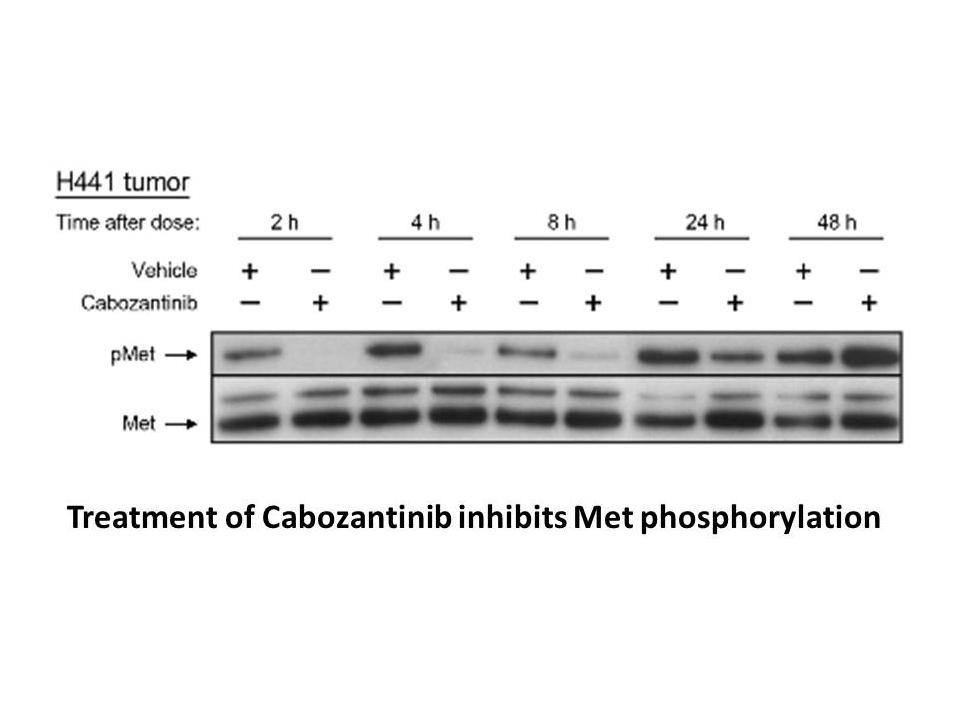
Whereas allostery in the β cell is relatively understudied, significant progress has been made in understanding the physiology and mechanistic biology of how AMPK and its upstream kinases govern β cell function. LKB1 phosphorylates AMPKα at Thr172 [21], and loss of LKB1 in β cells abolishes phosphor
-
Finally one can ask whether these results throw any
2023-01-09
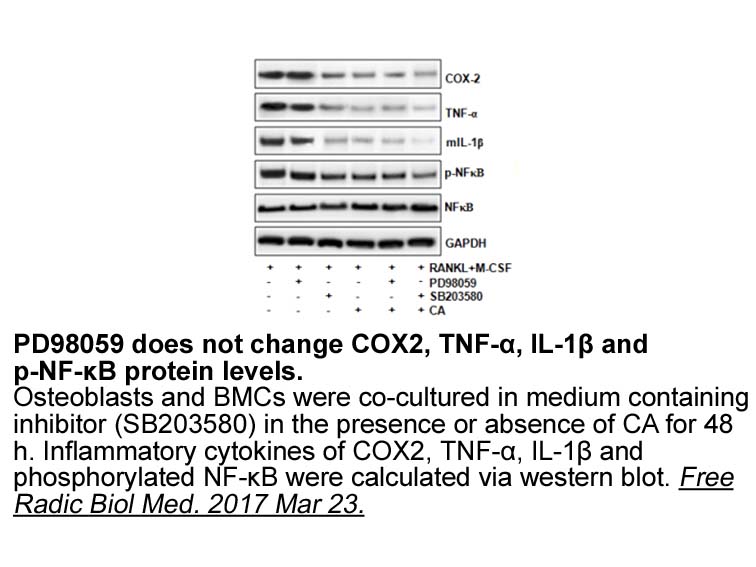
Finally, one can ask whether these results throw any light on the nature of the target in SNMG patients. Interestingly, the results of the in vitro incubations suggested that SNMG sera might increase AChR expression to a small extent, raising the possibility that SNMG patients, who have thymic chang
-
br Acknowledgments We thank the anonymous reviewers for thei
2023-01-09
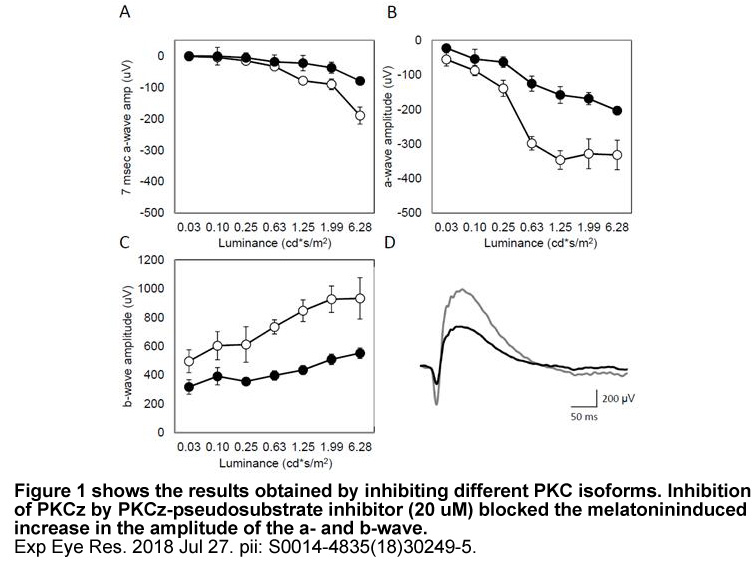
Acknowledgments We thank the anonymous reviewers for their constructive comments on the manuscript, and also thank Dr. Hans-U. Dahms for his comments on the manuscript. This work was supported by a grant from the National Research Foundation (2009-0071218) funded to Young-Mi Lee. This work was al
-
Based on the observation that antipsychotic drugs increase H
2023-01-09
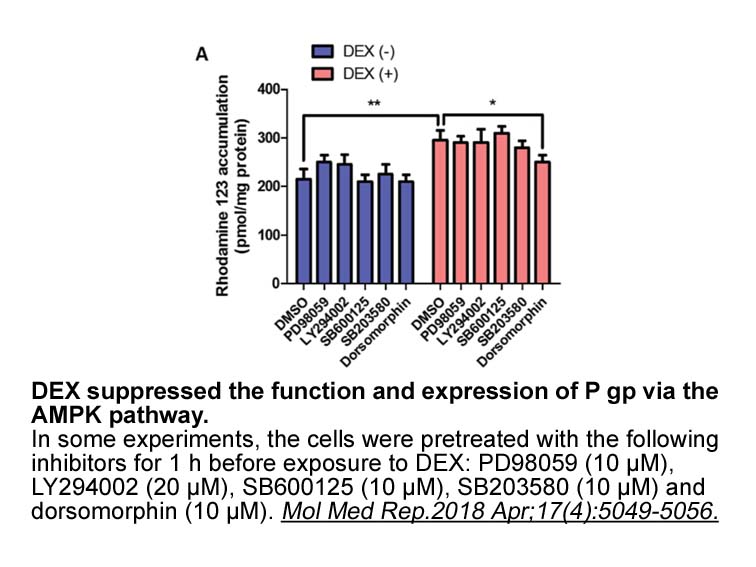
Based on the observation that antipsychotic drugs increase 5-HT1A–D2 heteromerization level (Łukasiewicz et al., 2016), we set out to compare the effect of paroxetine to that of risperidone. Paroxetine, a potent SSRI, is very effective in the treatment of depression and anxiety disorders, e.g., gene
-
17 alpha hydroxylase l Arginine supplementation was reported
2023-01-09

l-Arginine supplementation was reported to be efficient, inefficient or toxic in aged patients. The present study does not support our hypothesis that increased tissue arginase activity may account for the ineffectiveness and even the toxicity of l-arginine supplementation in ageing. Indeed, except
-
Plant tissues were thought to be natural sources
2023-01-09
Plant tissues were thought to be natural sources containing different types of antioxidant compounds (tocopherols, ascorbic acid, carotenoids, and phenolic compounds). As a general classification, antioxidants were grouped as vitamins (ascorbic acid, tocopherols), carotenoids (condensed tannins, xan
8557 records 397/571 page Previous Next First page 上5页 396397398399400 下5页 Last page