Archives
- 2026-10
- 2026-09
- 2026-08
- 2026-07
- 2026-06
- 2026-05
- 2026-04
- 2026-03
- 2026-02
- 2026-01
- 2025-12
- 2025-11
- 2025-10
- 2025-03
- 2025-02
- 2025-01
- 2024-12
- 2024-11
- 2024-10
- 2024-09
- 2024-08
- 2024-07
- 2024-06
- 2024-05
- 2024-04
- 2024-03
- 2024-02
- 2024-01
- 2023-12
- 2023-11
- 2023-10
- 2023-09
- 2023-08
- 2023-07
- 2023-06
- 2023-05
- 2023-04
- 2023-03
- 2023-02
- 2023-01
- 2022-12
- 2022-11
- 2022-10
- 2022-09
- 2022-08
- 2022-07
- 2022-06
- 2022-05
- 2022-04
- 2022-03
- 2022-02
- 2022-01
-
Polydatin It has been proposed that a PrP pathogenic
2024-07-02
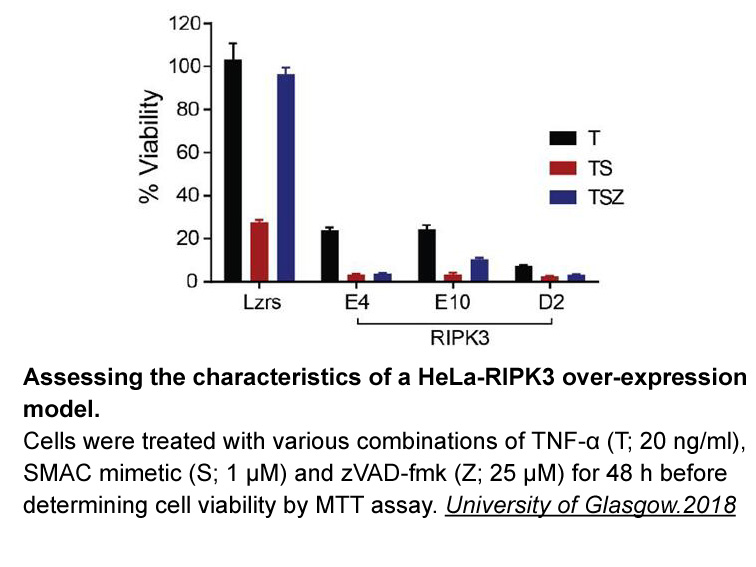
It has been proposed that a PrP pathogenic mechanism is a toxic gain of function secondary to the misfolding of mutated PrP. However, such a mechanism might not apply to all mutant PrP species, since some mutations had little effect on the stability and folding kinetics of PrP (Swietnicki et al., 19
-
The current results also demonstrated tendencies toward
2024-07-02
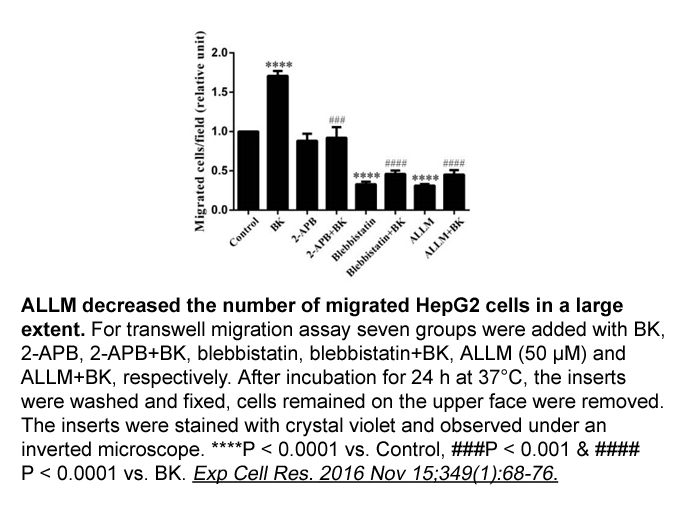
The current results also demonstrated tendencies toward decreased serum Aβ40 levels and increased Aβ42 levels during the 1-year follow-up. These tendencies are consistent with the results of a previous study that evaluated Aβs in the CSF of patients with late-life depression (Pomara et al., 2016). T
-
We have recently begun to demonstrate this concept
2024-07-02
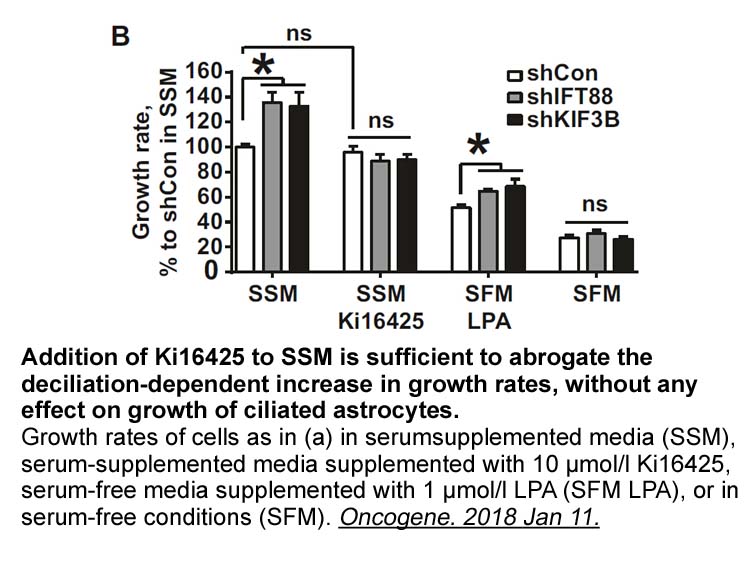
We have recently begun to demonstrate this concept by reporting a novel class of β-hairpin peptidomimetics, built on a piperidine-pyrrolidine semi-rigid β-turn inducer [12] and bearing two recognition pentapeptide sequences, designed on oligomeric and fibril structures of Aβ1-42 (compound 1, Fig. 1)
-
A unique finding in this study is that LO influences
2024-07-01
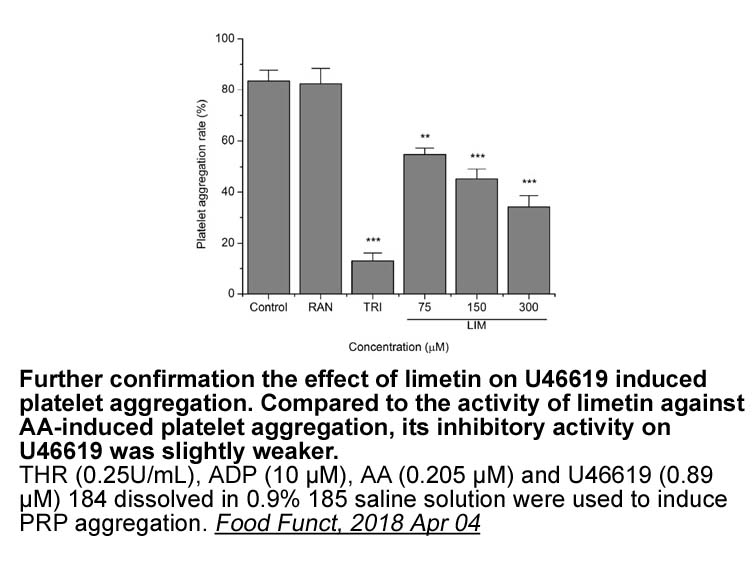
A unique finding in this study is that 12/15-LO influences CREB phosphorylation in the murine brain. While previous reports have found that knockout of 5-lipoxygenase, a related enzyme that also uses arachidonic melanin for substrate, can regulate CREB phosphoryation in the context of Alzheimer's di
-
br Potential and established risk factor
2024-07-01
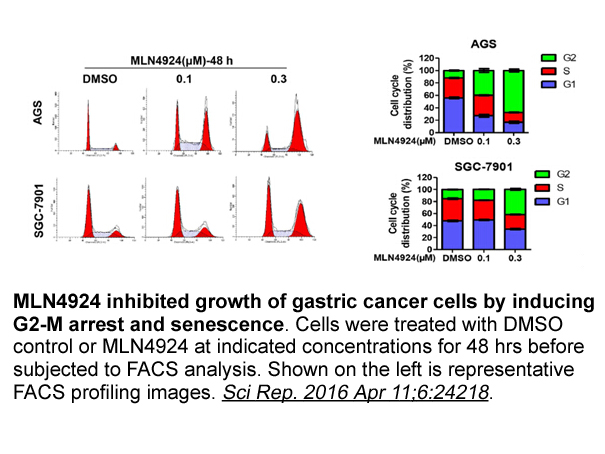
Potential and established risk factor for Alzheimer’s Disease The only way to overcome the above mentioned limitations is the identification of risk factors, which, taken together, can reliable predict the development of AD. Age and ApoE4 are established non-modifiable risk factors for AD. The ri
-
An important observation is that this patient has been
2024-07-01
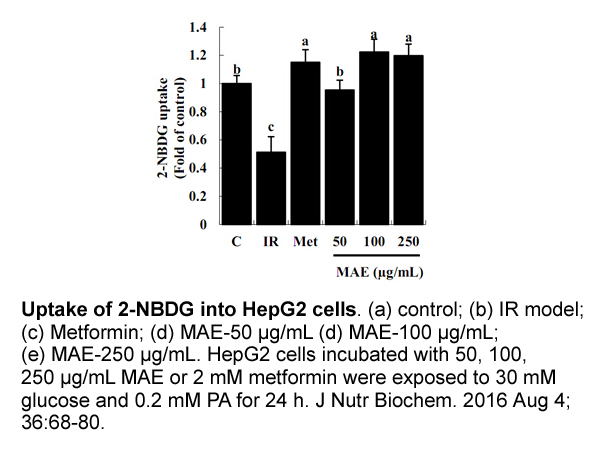
An important observation is that this patient has been on ALK inhibitor for more than 4 years (51 months: 27 months on crizotinib+24 months on alectinib and on-going) and there was no evidence of disease progression in the central nervous system. The other potential driver mutation in this patient’s
-
br Hypothesis The hypothesis is that AhR
2024-07-01
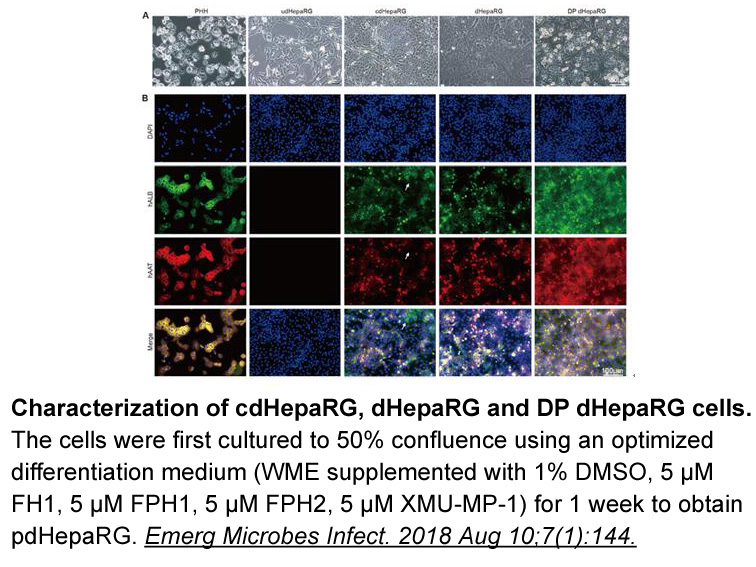
Hypothesis The hypothesis is that AhR in skin diseases could be an objective of study for future dermatological therapies. Both stimulation and inhibition of the receptor might have significant influences on neoplastic or inflammatory skin diseases. However, at present the functions of AhR are un
-
It is worth pointing out that phenotypes of
2024-07-01
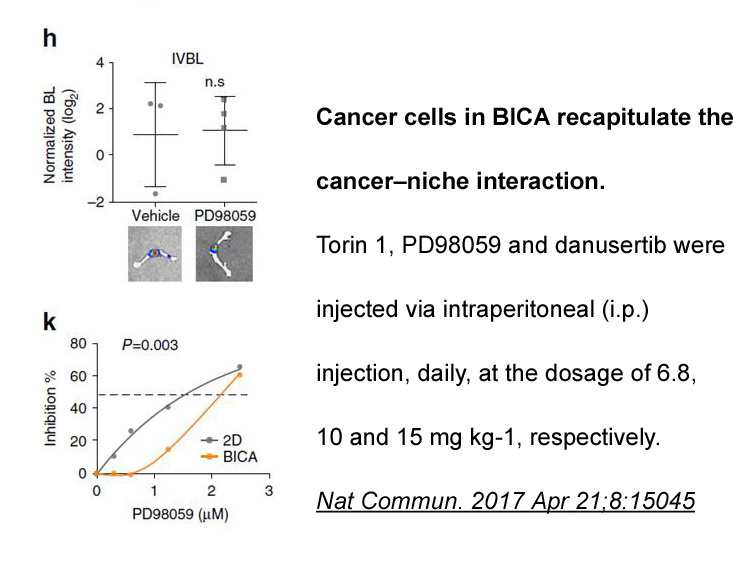
It is worth pointing out that phenotypes of in vivo HSP90β inhibition were not identical to those observed in rapsyn mutant mice (Gautam et al., 1995). Postsynaptically, junctional AChR clusters appeared fragmented, in addition to expected reduction in AChR intensity, in muscles injected with 17-AAG
-
There is also a literature
2024-07-01
There is also a literature on the impact of commodity (consumption) taxation under imperfect competition. Besley (1989) applies a Cournot model, in which production takes place under IRS and in which free entry leads to an excessive number of firms in the market. Introducing a distortive specific co
-
Although the LB domains of mGlu receptors have
2024-07-01
Although the LB2 domains of mGlu receptors have not been shown to form an extensive interface during activation, they do draw closer to each other, as demonstrated in crystal structures (Kunishima et al., 2000, Muto et al., 2007, Tsuchiya et al., 2002) and by FRET analysis (Doumazane et al., 2013, V
-
Because R gene is positively regulated by
2024-07-01
Because 5α-R2 gene is positively regulated by T and in the prostate gland (Torres et al., 2003), and our BPA-treated rats showed decreased circulating T and probably intraprostatic androgen levels, it might be responsible for the decrease of 5α-R2 expression. However, in a previous work using castra
-
Apelin is involved in various physiological
2024-07-01
Apelin is involved in various physiological functions, including 2-Arachidonoyl Glycerol contraction (Ashley et al., 2005), vasodilatation (Jia et al., 2007), feeding control (Valle et al., 2008), and metabolic homeostasis (Higuchi et al., 2007, Dray et al., 2008, Attane et al., 2010). Its plasma l
-
Imeglimin As patients with type diabetes are known
2024-06-28
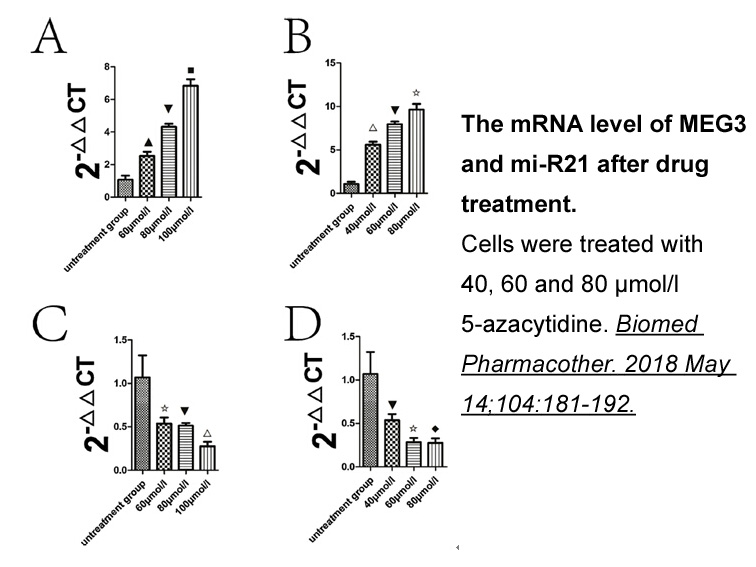
As patients with type 2 diabetes are known to be hyperinsulinemic per se, this relationship between insulin/IGF1 receptor and AR may point towards a causal role of insulin in AR upregulation. Indeed, this is supported by several previous observations. Beyond the already mentioned AR activation by in
-
Aerobic exercise plays an important role in the regulation o
2024-06-28
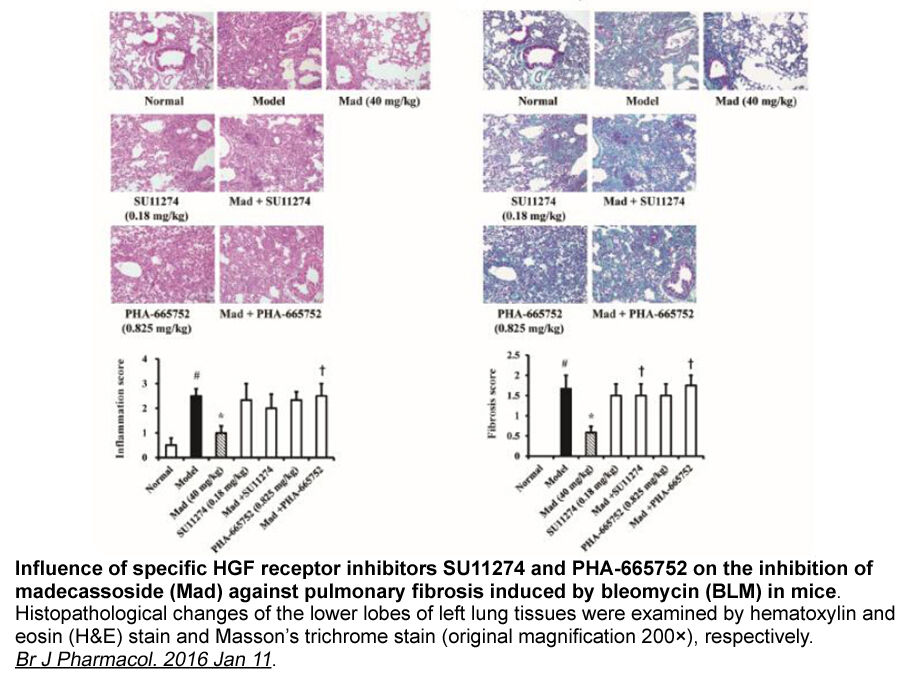
Aerobic exercise plays an important role in the regulation of dopamine beta hydroxylase metabolism in the skeletal muscle. It is also associated with increases in AMPK and GLUT4 levels, resulting in the improvement of the glucose uptake signaling pathway [17,18]. Recently, it has been shown that ex
-
br Introduction The development and plasticity of synapses
2024-06-28
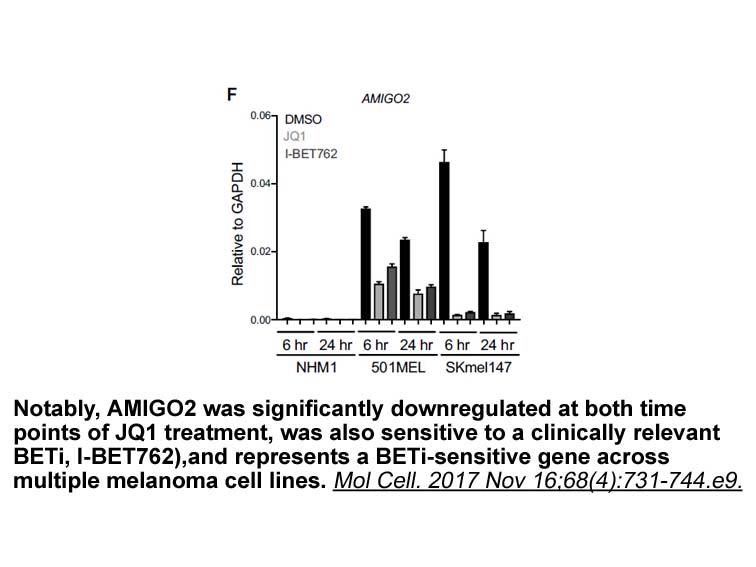
Introduction The development and plasticity of synapses involve the timely recruitment of a plethora of proteins on both pre- and postsynaptic sides through ill-defined mechanisms. At excitatory synapses, two of the major proteins that are dynamically recruited postsynaptically are the Ca2+/calmo
8557 records 157/571 page Previous Next First page 上5页 156157158159160 下5页 Last page